Featured Intelligence
The FDA Spent a Year Replacing Animal Tests With Chips and Models. Here Is What It Actually Changed
In April the FDA reported on the first year of its plan to reduce animal testing in drug development, and concluded that the foundations it set
In April the FDA reported on the first year of its plan to reduce animal testing in drug development, and concluded that the foundations it set out had been met or exceeded. The list is concrete rather than aspirational: a pilot program for alternative methods made permanent, an agreement with the NIH to standardize them, a searchable database of situations where a reduced animal program is acceptable, published guidance for monoclonal antibodies, a qualified artificial intelligence tool for metabolic disease trials, and in March a set of four core principles for validating any of it.
For a reader who cares about how drugs actually reach the market, this is one of the more consequential regulatory shifts of the past decade, and it is being discussed almost entirely in terms of animal welfare.
From the Lab to the Ledger
The reason animal testing has been required is straightforward: before a compound goes into a person, someone needs evidence about what it does to a whole living system. Cells in a dish do not have a liver metabolizing the drug, a kidney clearing it, or an immune system reacting to it.
The reason to replace it is equally straightforward, and it is about accuracy rather than ethics. Animal models predict human outcomes imperfectly, and the failures run in both directions. Drugs that looked safe in rodents have harmed people, and drugs that failed in an animal species may have worked in humans without anyone finding out. Monoclonal antibodies are the sharpest case, because they are engineered to bind a specific human protein, and in many animals that protein is different enough that the test has limited meaning. That is why they were singled out first.
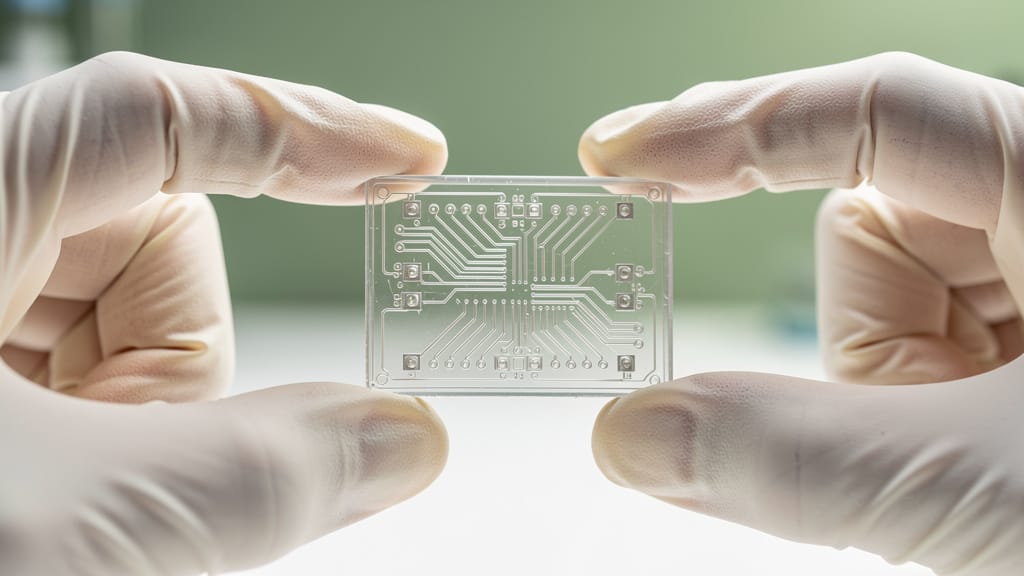
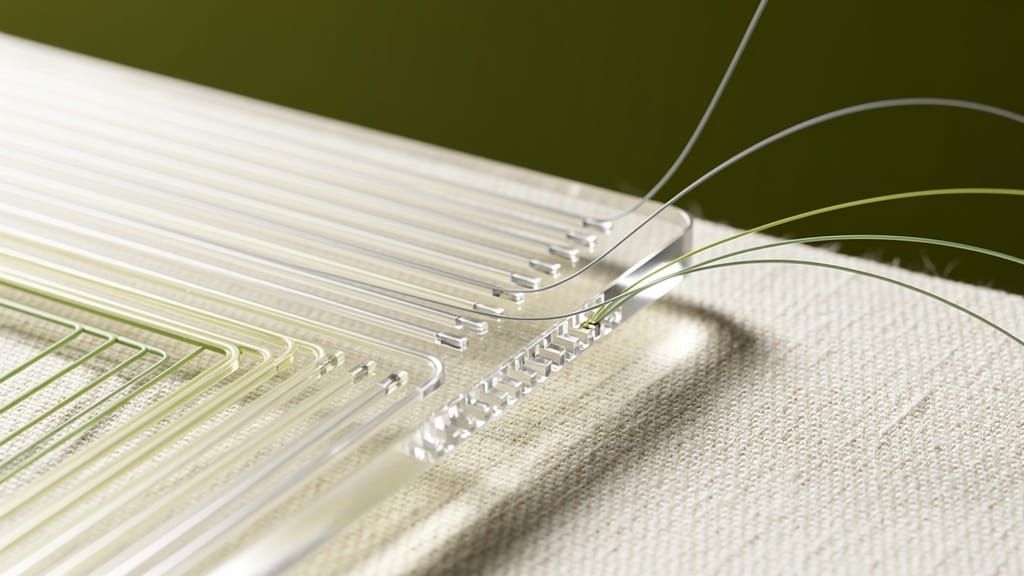
The replacements are collectively called new approach methodologies. Organ-on-a-chip systems grow human cells in channels with fluid flowing past them, reproducing some of the mechanical and chemical conditions of a real organ. Organoids are small self-organizing clusters of human tissue. Computational models predict how a compound distributes and breaks down. Artificial intelligence tools trained on existing data flag likely toxicity. Each of these uses human biology directly, which is the entire argument for them.
The honest part of the FDA's own year-one work is the liver-on-a-chip publication, which addressed the difficulty of measuring standard liver injury biomarkers in the system. The chips are not simply better than animals. They are a different instrument, with their own calibration problems, and the agency has been working on how to tell when one is trustworthy rather than assuming it is.
Nothing has been abolished. Sponsors still have to make a weight-of-evidence case and demonstrate that the alternative is relevant to human biology. What has changed is that there is now a defined route for making that case, which there was not before.
Bio-Pipeline Ledger
Reduced animal testing for monoclonal antibodies: guidance published in December, the furthest advanced application, and the one where the scientific case is strongest.
Organ-on-a-chip and microphysiological systems: in real regulatory use for specific questions, particularly liver toxicity, and not a general replacement for whole-animal studies.
Organoids and advanced cell models: established research tools, increasingly accepted for defined purposes, with variability between batches still a live problem.
Computational and AI-based toxicity prediction: one AI tool formally qualified for a defined context of use in December, which is a narrow and meaningful milestone rather than a general endorsement.
Validation standards for any of these methods: four core principles issued in March. This is the piece everything else depends on, and it is new.
Human clinical trials: unchanged. Nothing in this program alters what has to be demonstrated in people before a drug is approved.
The Clinical Reality Check
What is established is regulatory infrastructure, not a scientific breakthrough. The FDA has built a pathway, a database, a validation framework and a first set of guidances. Sponsors can now propose replacing specific animal studies with specific human-based methods and know how that proposal will be judged.
What is overstated is the suggestion, common in coverage of this, that animal testing is ending or that drugs will now reach patients faster and more safely as a result. Neither follows yet. The methods qualified so far address narrow questions, most of the preclinical package is unchanged, and whether this improves the prediction of human harm is an empirical question that will take years of approvals to answer.
The reason it is worth following anyway is that failure to predict human toxicity is one of the main reasons drugs collapse late in development, after the expensive part. If human-based models catch problems that animal models miss, fewer promising compounds die in phase 3 and fewer dangerous ones get that far. That would show up eventually as more approvals and fewer withdrawals. It is the right thing to watch, and the year-one report is a plan being executed rather than the result.