Featured Intelligence
The Diabetes Cell Therapy That Worked, and Why Its Maker Moved On
In June 2025, a company reported that twelve people with type 1 diabetes had received a single infusion of laboratory-grown islet cells and that ten
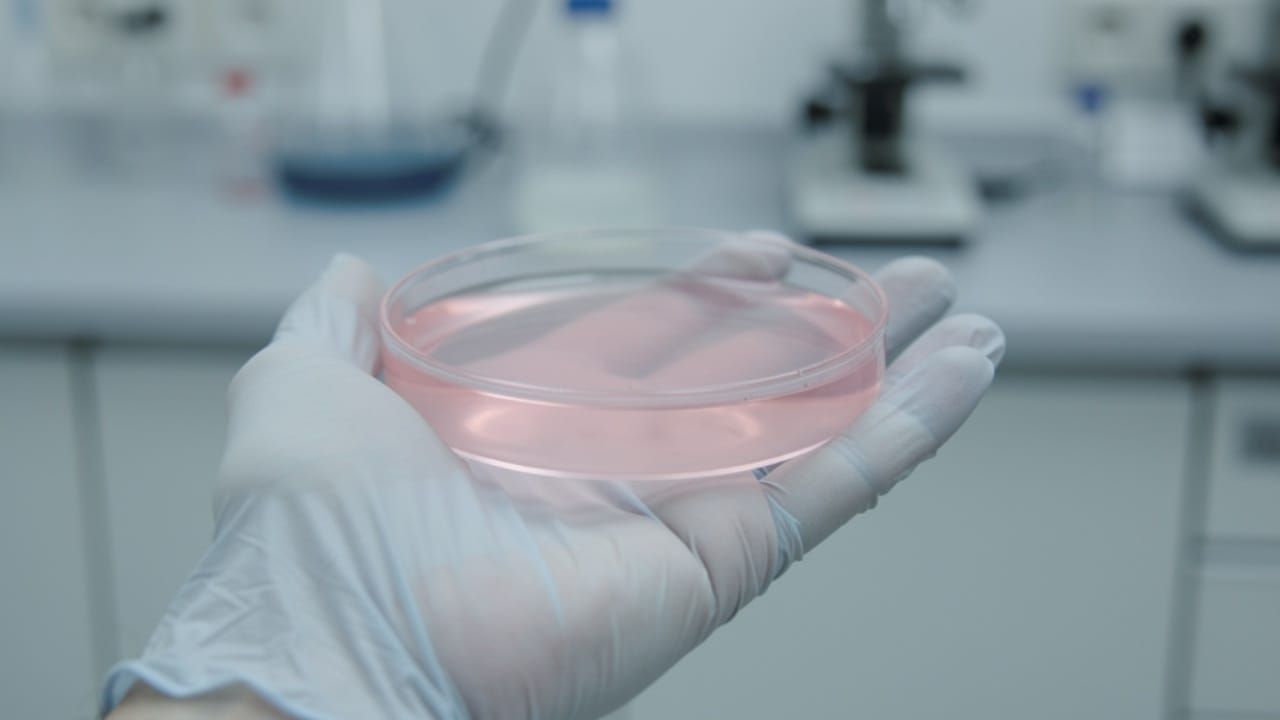
In June 2025, a company reported that twelve people with type 1 diabetes had received a single infusion of laboratory-grown islet cells and that ten of them no longer needed insulin a year later. All twelve hit the glucose targets their doctors had been chasing for years. It was the closest thing to a cure the disease has seen. Last week the same company told investors it is shifting its effort to a different version of the therapy.
That sequence is confusing if you read only the headlines, and it is worth understanding, because it is a story about manufacturing and eligibility rather than about a treatment failing.
From the Lab to the Ledger
Type 1 diabetes is the autoimmune destruction of the insulin-producing beta cells in the pancreas. Replacing those cells is an old idea. Transplanting islets from deceased donors has been done for decades and can free people from insulin, but donor pancreases are scarce and the recipient needs lifelong immune suppression. The scarcity, not the biology, is what kept it rare.
Stem cell science removed the scarcity. The therapy in question, zimislecel, is made by taking stem cells and coaxing them through the developmental steps that produce fully formed islet cells, then infusing them into the liver's portal vein. The cells engraft and begin sensing glucose and releasing insulin on their own. Recipients still take immune-suppressing drugs, because the cells come from a donor line rather than from the patient.
The published results come from the Phase 1/2 portion of a Phase 1/2/3 trial, in people whose diabetes was complicated by severe hypoglycaemic events and an impaired ability to sense low blood sugar. Twelve patients received the full dose and were followed at least a year. All twelve produced their own glucose-responsive C-peptide, reached an HbA1c below 7 percent with more than 70 percent of time in the target glucose range, and were free of severe hypoglycaemic events from day 90 onward. Mean insulin use fell 92 percent, and ten of the twelve stopped insulin entirely. Two deaths occurred in the programme, both judged unrelated to the therapy.
The constraint is one most coverage skipped. Zimislecel is designed for recipients with blood type A or AB. A second candidate, now the company's priority, is engineered to work regardless of blood type, and the company says it will move that one into pivotal trials in 2027.
Bio-Pipeline Ledger
Zimislecel: a stem cell-derived islet cell therapy with twelve patients showing durable insulin independence or near-independence at one year. Promising and well documented, but restricted to certain blood types, never submitted for approval, and now deprioritized by its maker in favour of a successor.
VX-017: the successor islet therapy, designed for all eligible patients regardless of blood type, in a Phase 1/2 trial with pivotal development planned for 2027 and FDA Fast Track designation. Early clinical stage, with no published efficacy.
Donor islet transplantation: an established procedure that can achieve insulin independence, limited by donor supply and requiring immune suppression. Available in a small number of specialized centres.
Automated insulin delivery systems: pumps paired with continuous glucose monitors and control algorithms, validated in trials and in routine use, and the current best answer for most people with type 1 diabetes.
Encapsulation and hypoimmune cell approaches: preclinical work aimed at protecting transplanted cells so recipients would not need immune suppression at all. Not yet in human testing.
The Clinical Reality Check
Nothing described here is available by prescription. There is no approved stem cell therapy for type 1 diabetes, despite websites that say otherwise, and anyone offering one outside a registered trial is not offering what these trials studied.
The trial population matters as much as the result. These were people with dangerous, unpredictable hypoglycaemia, the group for whom donor islet transplantation is already considered. Twelve patients is a remarkable demonstration and a small number. It is not evidence about someone whose diabetes is well managed on a pump.
The immune suppression is the part that keeps this from being a general treatment. Accepting lifelong drugs that raise infection and cancer risk is a reasonable trade when the alternative is recurrent severe hypoglycaemia, and an unreasonable one for most people doing well on insulin. The preclinical work on protecting the cells is the research that would change that calculation, and it is years from the clinic.
For anyone with type 1 diabetes, the useful question for an endocrinologist is not about these therapies by name. It is whether current technology is being used to its full extent, and whether hypoglycaemia severe enough to qualify for a cell therapy trial is something they are living with and have stopped mentioning. That second question is the one that decides whether any of this is relevant to them in the next few years, and it is answerable in a single appointment rather than by watching the pipeline.